




People who consumed significant amounts of ultra-processed foods were 10% more likely to die during the study’s long follow-up period than those who did not.
- A diet heavy in ultra-processed foods may increase the risk of mortality among older Americans by as much as 10%, according to new research.
- The research tracked the diet and health of over half a million participants over more than 20 years.
- The highest level of ultra-processed food consumption was in the younger members of the researcher’s older adult cohort.
The study drew on data from the US NIH-AARP Diet and Health Study, which tracked the diet and health of over a half million older people. The new analysis included adults ranging in age from 50 to 71 at baseline in 1995-1996, with a median 22.9-year follow-up period.
The researchers scored their diets using the NOVA system, which classifies foods according to the degree and type of processing used in their preparation.
They looked at Healthy Eating Index (HEI)-2015 scores, and not just NOVA processing, and noted that people with higher UPF intake tended to have lower diet quality and a higher BMI.
What makes this study noteworthy, in particular, is the two approaches the researchers used to further validate the food frequency questionaries (FFQ): expert consensus and an alternative and novel food-based approach to define UPF intake (grams per day), which was broken down into food codes, then ingredient codes, then classified via NOVA.
The researchers also used two 24-hour diet recalls in a subgroup to calibrate their FFQ risk estimates, which is not standard practice and adds to the potential rigor of the study’s findings.
The research was presented this week at the American Society for Nutrition’s NUTRITION 2024 conference.
What is the definition of ultra-processed foods?
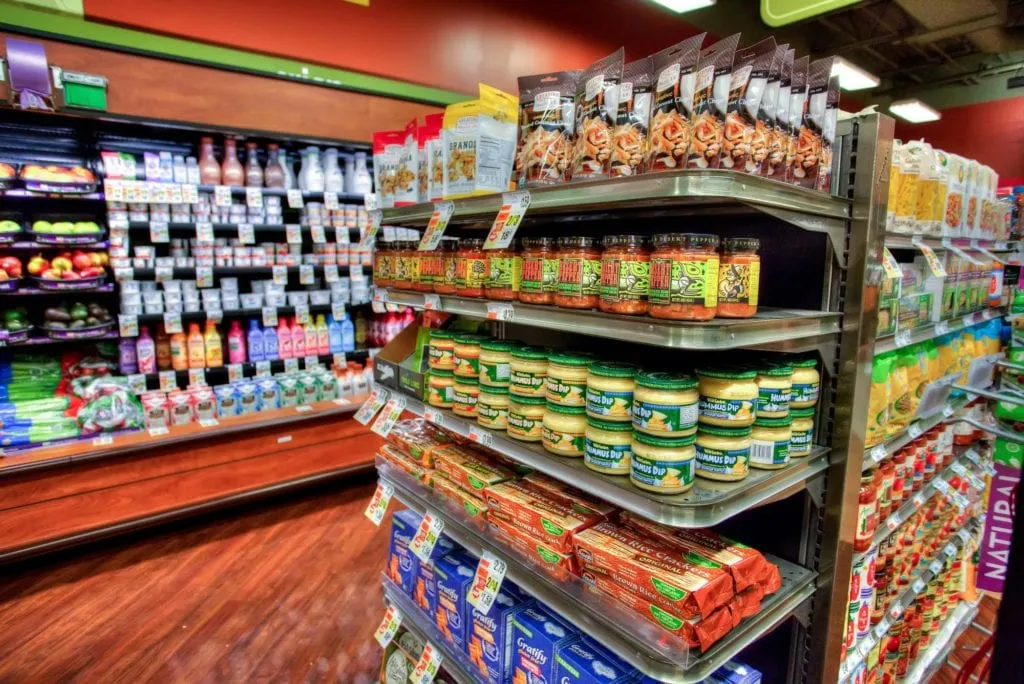
According to the NOVA system, natural, processed, and ultra-processed foods are defined as the following:
- Unprocessed, or natural, foods come directly from plants or animals without any alteration or processing, apart from transport to the location where they are sold.
- Minimally processed foods are similar, except that they have been cleaned and inedible or undesirable parts removed. They may be cut into portions, ground, dried, fermented, pasteurized, cooled, or frozen en route to the table. However, no oils, fats, sugar, salt, or other substances have been added to them.
- NOVA also includes a category called Processed Culinary Ingredients, which are substances that have been extracted from natural foods. These include oils, fats, salt, and sugar, and are ideally used in small amounts to season and cook foods without nutritionally degrading the overall quality of the diet.
- Processed foods are foods that have been manufactured for consumption using sugar, salt, and oil added to natural foods for flavor, and to help extend their shelf life. They typically have no more than two or three ingredients.
- Ultraprocessed foods, or UPF, are industrial creations shaped mostly from substances, including oils, fats, sugars, and proteins derived from natural foods, along with modified starch and hydrogenated fats, with added coloring, and flavor enhancers. They are inexpensive for the consumer and convenient, and may contain five or (many) more ingredients.
What is new about the study
It is already widely known that a diet heavy in ultra-processed foods can be damaging to one’s health. However, the large number of people in this study — 318,889 men and 221,607 women — and the extended follow-up time are unusual.

Dietitian Kristin Kirkpatrick, MS, RDN, who was not involved in the research, said, “The very long follow-up period is interesting; however, the researchers also note that it’s unclear what was done between the time the data was taken and the follow-up. Did these people make dietary changes? Were there other activities that were risky to overall health? We are unclear on the details.”
Compared to the lowest amount of processed food consumption, the highest amount was associated with increased risks of death from heart disease and diabetes but not death due to cancer.
“This research shows that higher consumption of ultra-processed foods is associated with increased mortality risk independent of other factors like smoking, obesity, and diet quality,” said Michelle Routhenstein, MS, RD, CDCES, preventive cardiology dietitian at EntirelyNourished.com, who was also not involved in the research.
“This suggests that the detrimental effects of ultra-processed foods on health may persist regardless of overall lifestyle factors,” said Routhenstein.
Ultra-processed foods are typically higher in added sugars, unhealthy fats, and additives, while lacking essential nutrients such as fiber and vitamins, which can negatively impact cardiometabolic health. These foods contain higher levels of advanced glycation end products (AGEs) due to their processing methods, which may increase oxidative stress and inflammation in the body. AGEs may also raise cystatin C levels, associated with decreased kidney function and heightened cardiovascular disease risk.
Michelle Routhenstein, MS, RD, CDCES
An older cohort
Given the extended follow-up period, participants were aged from roughly 73 to 94 at the time of follow-up.
“Research on the impact of ultra-processed foods specifically in older adults is limited but growing. The specific long-term impact on mortality in older populations is still an area of active study,” said Routhenstein.
“It’s never too late to make beneficial dietary changes,” said Kirkpatrick. “Previous research has found similar results to lifespan, such as a study which assessed UPF in ages 57–91.”
She noted that much of the research she sees involves younger people, and focuses on prevention of later problems through better nutrition.
The younger side of older
The researchers found that younger members of their study population tended to consume UPF more than older members.
“Younger participants — particularly middle-aged individuals — may consume more ultra-processed foods due to factors such as convenience, affordability, and advertising. These foods are often widely available, require minimal preparation, and are heavily marketed, making them appealing to busy lifestyles,” Routhenstein said.
It may also be the case, noted Kirkpatrick, that “younger individuals who are generally healthy and have not had symptoms of/or serious illness may not be thinking of what the future holds in relation to their diet today.”
Is processed food necessarily bad?
The American diet typically contains a substantial number of foods that span the processing spectrum.
“Some of these foods such as breakfast cereals, for example, may even help to fill some nutritional gaps via fortification,” said Kirkpatrick.
However, she said, “Consuming a lot of these foods means not having the opportunity to feed the body with [more] nutrient-dense options.” The result may be a high consumption of calorie-dense foods lacking in nutrition.
Kirkpatrick expressed concern regarding an over-dependence on the NOVA classification system for assessing the impact of processed foods.
“The NOVA scale is strictly related to the degree of processing and has nothing to do with the foods’ nutritional value, so it doesn’t account for things like added sugar, protein, or fiber content,” she explained.
“Lumping all processed foods together risks oversimplifying nutritional science, so limiting UPF should go alongside education for individuals as well,”
Kirkpatrick
“There is no one-size-fits-all dietary approach, so each and every patient may deserve a personalized approach to their dietary needs and goals,” she said.